

NLSUI OPAC header image
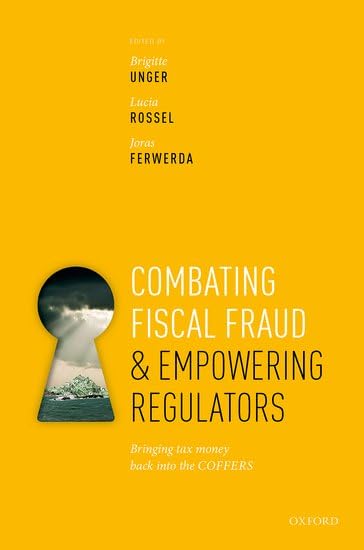
Amazon cover image
Image from Amazon.com

Combating fiscal fraud and empowering regulators : bringing tax money back into the coffers / Brigitte Unger, Lucia Rossel, Joras Ferwerda.

Contributor(s): Publisher: New York : Oxford University Press, 2021Edition: New productDescription: pages cmContent type:
  • text
Media type:
  • unmediated
Carrier type:
  • volume
ISBN:
  • 9780198854722
Online resources: Summary: "This book showcases a multidisciplinary set of work on the impact of regulatory innovation on the scale and nature of tax evasion, tax avoidance, and money laundering. We consider the international tax environment an ecosystem undergoing a period of rapid change as shocks such as the financial crisis, new business forms, scandals and novel regulatory instruments impact upon it. This ecosystem evolves as jurisdictions, taxpayers, and experts react. Our analysis focuses mainly on Europe and five new regulations: Automatic Exchange of Information, which requires that accounts held by foreigners are reported to authorities in the account holder's country of residence; the OECD's Base Erosion and Profit Shifting initiative and Country by Country Reporting, which attempt to reduce the opportunity spaces in which corporations can limit tax payments and utilize low or no tax jurisdictions; the Legal Entity Identifier which provides a 20-twenty digit identification code for all individual, corporate or government entities conducting financial transactions; and the Fourth and Fifth Anti-Money Laundering Directives, that criminalize tax crimes and prescribe that the Ultimate Beneficial Owner of a company is registered. Working from accounting, economic, political science, and legal perspectives, the analysis in this book provides an assessment of the reforms and policy recommendations that will reinforce the international tax system. The collection also flags the dangers posed by emerging tax loopholes provided by new business models and in the form of freeports and golden passports. Our central message is that inequality can and has to be reduced substantially, and we can achieve this through an improved international tax system"-- Provided by publisher.
Star ratings
    Average rating: 0.0 (0 votes)
Holdings
Item type Current library Status Barcode
Open Access Books - Publishers NLS Available OABP298
Open Access Books - Publishers NLS Available

"This book showcases a multidisciplinary set of work on the impact of regulatory innovation on the scale and nature of tax evasion, tax avoidance, and money laundering. We consider the international tax environment an ecosystem undergoing a period of rapid change as shocks such as the financial crisis, new business forms, scandals and novel regulatory instruments impact upon it. This ecosystem evolves as jurisdictions, taxpayers, and experts react. Our analysis focuses mainly on Europe and five new regulations: Automatic Exchange of Information, which requires that accounts held by foreigners are reported to authorities in the account holder's country of residence; the OECD's Base Erosion and Profit Shifting initiative and Country by Country Reporting, which attempt to reduce the opportunity spaces in which corporations can limit tax payments and utilize low or no tax jurisdictions; the Legal Entity Identifier which provides a 20-twenty digit identification code for all individual, corporate or government entities conducting financial transactions; and the Fourth and Fifth Anti-Money Laundering Directives, that criminalize tax crimes and prescribe that the Ultimate Beneficial Owner of a company is registered. Working from accounting, economic, political science, and legal perspectives, the analysis in this book provides an assessment of the reforms and policy recommendations that will reinforce the international tax system. The collection also flags the dangers posed by emerging tax loopholes provided by new business models and in the form of freeports and golden passports. Our central message is that inequality can and has to be reduced substantially, and we can achieve this through an improved international tax system"-- Provided by publisher.