

NLSUI OPAC header image
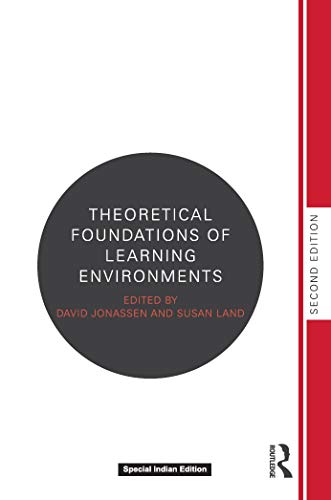
Amazon cover image
Image from Amazon.com

Theoritical foundations of learning environments

By: Contributor(s): Publication details: London Routledge 2012Description: 350p viiISBN:
  • 9781138385191
Subject(s): DDC classification:
  • 370.15 JON
Contents:
Table of Contents Preface; Part 1: Overview; 1. Student-Centered Learning Environments: Foundations, Assumptions and Design; Susan Land, The Pennsylvania State University; Michael Hannafin, University of Georgia Kevin Oliver, North Carolina State University; Part 2: Theoretical Perspectives for Learning Environments; 2. From Practice Fields to Communities of Practice; Sasha Barab, Arizona State University; Thomas Duffy, Indiana University; 3. Designing Model-Based Learning Environments to Support Mental Models for Learning; Pablo Pirnay-Dummer; Dirk Ifenthaler; Norbert M. Seel; Albert-Ludwigs-University of Freiburg, Germany; 4. Conceptual Change; David Jonassen; Matthew Easter; University of Missouri; 5. Argumentation and Student-Centered Learning Environments; E. Michael Nussbaum, University of Nevada-Las Vegas; 6. Theory and Practice of Case-Based Learning Aids; Janet L. Kolodner, Georgia Institute of Technology; Brian Dorn, University of Hartford; Jakita Owensby Thomas, Spelman College; Mark Guzdial, Georgia Institute of Technology; 7. Metacognition and Self-Regulated Learning in Student-Centered Learning Environments; Roger Azevedo; Reza F. Behnagh; Melissa Duffy; Jason M. Harley; Gregory Trevors; McGill University; 8. Embodied Cognition and Learning Environment Design; John B. Black; Ayelet Segal; Jonathan Vitale; Cameron Fadjo; Teacher’s College of Colombia University; 9. Everyday expertise: Learning within and across formal and informal settings; Heather Toomey Zimmerman, The Pennsylvania State University; Phillip Bell, University of Washington; 10. Activity Theory in the Learning Technologies; Ben DeVane, University of Florida; Kurt Squire, University of Wisconsin-Madison; 11. Learning Communities: Theoretical Foundations for Making Connections; Janette R. Hill, University of Georgia; 12. What is a community of practice and how can we support it? Christopher Hoadley, New York University; Part 3: Theoretical Perspective for Investigating Learning Environments; 13. Learning Environments as Emergent Phenomena: Theoretical and Methodological Implications of Complexity; Michael Jacobson, University of Sydney Manu Kapur, Nanyang Technological University; Author Index; Subject Index.
Star ratings
    Average rating: 0.0 (0 votes)
Holdings
Item type Current library Shelving location Call number Status Barcode
BOOKs NLS Library Compactors 370.15 JON (Browse shelf(Opens below)) Available 27719

Table of Contents
Preface;
Part 1: Overview;
1. Student-Centered Learning Environments: Foundations, Assumptions and Design;
Susan Land, The Pennsylvania State University;
Michael Hannafin, University of Georgia
Kevin Oliver, North Carolina State University;
Part 2: Theoretical Perspectives for Learning Environments;
2. From Practice Fields to Communities of Practice;
Sasha Barab, Arizona State University;
Thomas Duffy, Indiana University;
3. Designing Model-Based Learning Environments to Support Mental Models for Learning;
Pablo Pirnay-Dummer;
Dirk Ifenthaler;
Norbert M. Seel;
Albert-Ludwigs-University of Freiburg, Germany;
4. Conceptual Change;
David Jonassen;
Matthew Easter;
University of Missouri;
5. Argumentation and Student-Centered Learning Environments;
E. Michael Nussbaum, University of Nevada-Las Vegas;
6. Theory and Practice of Case-Based Learning Aids;
Janet L. Kolodner, Georgia Institute of Technology;
Brian Dorn, University of Hartford;
Jakita Owensby Thomas, Spelman College;
Mark Guzdial, Georgia Institute of Technology;
7. Metacognition and Self-Regulated Learning in Student-Centered Learning Environments;
Roger Azevedo;
Reza F. Behnagh;
Melissa Duffy;
Jason M. Harley;
Gregory Trevors;
McGill University;
8. Embodied Cognition and Learning Environment Design;
John B. Black;
Ayelet Segal;
Jonathan Vitale;
Cameron Fadjo;
Teacher’s College of Colombia University;
9. Everyday expertise: Learning within and across formal and informal settings;
Heather Toomey Zimmerman, The Pennsylvania State University;
Phillip Bell, University of Washington;
10. Activity Theory in the Learning Technologies;
Ben DeVane, University of Florida;
Kurt Squire, University of Wisconsin-Madison;
11. Learning Communities: Theoretical Foundations for Making Connections;
Janette R. Hill, University of Georgia;
12. What is a community of practice and how can we support it?
Christopher Hoadley, New York University;
Part 3: Theoretical Perspective for Investigating Learning Environments;
13. Learning Environments as Emergent Phenomena: Theoretical and Methodological Implications of Complexity;
Michael Jacobson, University of Sydney
Manu Kapur, Nanyang Technological University;
Author Index;
Subject Index.