

Library Catalogue
| Item type | Current library | Shelving location | Call number | Materials specified | Status | Notes | Date due | Barcode | |
|---|---|---|---|---|---|---|---|---|---|
 BOOKs
BOOKs
|
NLS | General Stacks | 346.048 PIC (Browse shelf(Opens below)) | HB | Checked out | Recommended by Dr. Arul George Scaria | 28/07/2025 | 39648 |
Includes bibliographical references and index.
Introduction: mapping the legal and development issues surrounding GIs -- The legal protection of geographical indications in France -- The legal protection of geographical indications in Vietnam -- Reasons for seeking GI protection -- Establishing GIs : dynamics of collective action -- Use of GIs on the market : what value for whom? -- Dormant GIs : factors and constraints -- Territorial development, cultural heritage, and biodiversity -- Conclusions : making GIs work in practice.
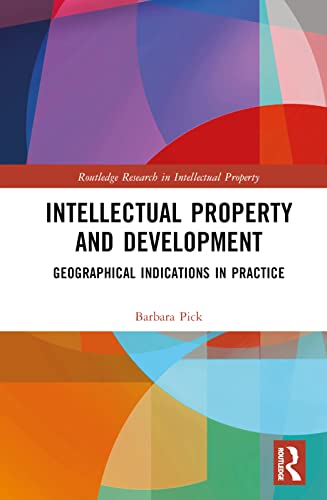
"The legal protection of geographical indications (GIs) is characterised by a variety of approaches which translates the many objectives attached to them. These range from protection of the consumers and producers' interests against unfair competition practices, to territorial development, to preservation of cultural heritage and natural resources. Looking beyond formal legal protection for GIs, this book seeks to re-draw attention to what happens in the real world by exploring the opportunities and constraints which influence whether regional product branding initiatives are successful. It asks: what makes GIs work in practice and does the type of legal protection matter? To answer these questions, this book takes a comparative case-study approach and draws upon empirical data collected from twelve GI initiatives in two countries, France and Vietnam. In doing so, this book not only provides new perspectives to the ongoing international legal dispute over GIs. It also contributes to unpacking the factors that make GIs work in practice to bring about economic and non-economic benefits and ultimately support the empowerment of local producers. As such, this book provides new insights and will be of interest to legal academics and practitioners as well as food sociologists, economists, anthropologists and rural development experts"-- Provided by publisher.